PBS recently aired a riveting documentary called The Rape of Europa, about the theft of artworks by the Nazis during World War II. I knew before that the Nazis had stolen art from the countries they conquered, but I didn't realize it was on such a massive scale. It is estimated that 20% of all Western art was taken away by the Nazis during the war. That's more than the collections of the Louvre, the British Museum, and the Metropolitan Museum combined. Most of it was soon recovered by the Allies, but there are still 100,000 pieces known to be missing. The real number of stolen artworks may be even greater but those who might claim them were also taken away and never heard from again.
It started with the Anschluss, and the looting of art galleries owned by Jews in Vienna. "Looting" isn't exactly the right word, though. These were carefully planned and organized bureaucratic operations. They had shopping lists, and they maintained an air of legitimacy by declaring that property without owners could be confiscated by the government. Of course we all know what happened to the owners.
Poland was hit particularly hard because, as a Slavic nation, it was slated for complete annihilation. Warsaw was systematically levelled, but not before half a million books and works of art were taken away, many of which have not been returned. When the Nazis reached Paris they found the Louvre empty, and they didn't want to antagonize the French by searching for the state art collection, so they concentrated again on Jewish art galleries, and sent boxcar after boxcar full of precious artworks back to Germany.
The scale of the plunder in Russia, another Slavic land, is mind boggling. Although the Russians made heroic attempts to evacuate the Hermitage and other museums, they lacked time, and over a million works of art were taken. To add insult to injury, historic sites were destroyed during the German retreat, including Tolstoy's home, the Pushkin estate, and the Tchaikovsky museum. The Russians later retaliated by taking German artworks, which they still retain as a sort of compensation for the loss of life and heritage caused by a war they didn't start.
The purpose of all this plunder was mainly to fulfill Hitler's grandiose vision of creating the greatest art museum in the world. He wanted to turn his home town of Linz into a world arts center, with theatres, libraries, numerous art galleries, and, of course, his mausoleum. Only "pure" art would be allowed; no "degenerate" modern art, or art by Jews, Slavs, or other "inferior" peoples. It wasn't just Hitler, though. All of the Nazi elite were involved and built up their own vast personal collections as well.
One of the heroes of this tale is French art historian Rose Valland. She was the curator of the Jeu de Paume museum, which became the holding point for artworks being taken to Germany. Unbeknownst to the Nazi officials in charge of transporting the artworks, Valland understood German, and so she heard where the works had come from and where they were going. Every night she wrote down, from memory, everything she had heard. She passed information to the French Resistance so they could avoid blowing up any trains that were carrying art. After the war her records were instrumental in recovering stolen artworks, and she received many honours from her nation and even received a medal from West Germany.

If you missed The Rape of Europa, there are quite a lot of related resources online and in print. You can view the film's trailer at the main website. The filmmakers have also created an educational website which presents a great deal of information and multimedia content on the major themes of the film. The companion book, Rescuing Da Vinci, has its own website, and there is also a website that looks specifically at the role of the Monuments Men, American servicemen whose job it was to protect and repatriate art and architecture during and after the war. The book that inspired the film was The Rape of Europa: The Fate of Europe's Treasures in the Third Reich and the Second World War, by Lynn Nicholas.


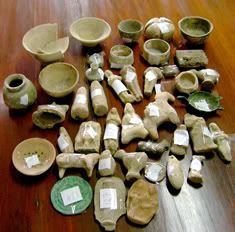 So far the museum has recovered about 4000 of its 15,000 missing items, but there are another 17,000 items recorded missing from archaeological sites, and an untold number of unrecorded items that have been dug up from the countryside.